
Transform Your Kitchen Into a Wellness Hub
Discover how Radiant Health Meals empowers you to cook balanced, nourishing meals at home. Learn the principles, techniques, and insights that help families across Switzerland build lasting healthy eating habits through home cooking.
The information on this site is for educational purposes only and does not constitute medical advice. Always consult a qualified healthcare professional before making health decisions.
Core Features of Home Cooking for Nutrition
Master the key principles that make home cooking the foundation of balanced nutrition.
Fresh Ingredient Control
When you cook at home, you decide exactly what goes into your meals. Select seasonal, local produce and quality proteins without hidden additives, preservatives, or excess sodium. This direct control is the cornerstone of balanced nutrition and helps you understand your food from source to plate.
Nutrient Transparency
Home cooking lets you track macro and micronutrients with precision. Unlike packaged meals where labels can be misleading, you know the exact proportions of proteins, carbohydrates, healthy fats, vitamins, and minerals in every dish. This transparency is essential for understanding how your meals support your body.
Cooking Method Mastery
The way you prepare food significantly affects its nutritional value. Home cooking lets you choose gentle steaming over deep frying, embrace whole grains instead of refined carbohydrates, and use healthy cooking oils. These method choices directly influence nutrient retention and digestive comfort.
Personalized Balance
Every body is unique. Home cooking empowers you to adjust recipes based on your personal preferences, energy needs, and how different foods make you feel. Build meals that truly work for your lifestyle, whether you need more plant-based options, varied protein sources, or specific cooking styles that support your wellness journey.
Culinary Knowledge Building
Each meal you prepare teaches you something new about nutrition, flavor combinations, and food science. Over time, this knowledge becomes second nature, helping you make instinctively better choices whether you're cooking at home or eating elsewhere. Your kitchen becomes your classroom.
Family Wellness Culture
Home cooking brings families together around nourishing food. When you cook as a household, children learn healthy eating habits naturally, family meals become quality time, and everyone develops a positive relationship with nutrition. This cultural shift toward home-cooked meals is one of the most powerful long-term wellness tools.
Why Home Cooking Matters for Nutrition
In Switzerland and across Europe, there's growing recognition that home cooking is foundational to health. When you step away from processed foods and into your kitchen, you reclaim agency over your nutrition. The difference isn't just in taste—it's in how your body responds to whole, recognizable ingredients prepared with intention.
Home cooking allows you to understand food as fuel rather than convenience. You'll notice how different ingredients affect your energy levels, digestion, and overall vitality. This awareness is impossible when eating pre-made meals where ingredient origins and nutritional values are obscured by marketing language.
- Complete Control: You choose every ingredient, portion size, and preparation method without compromise.
- Cost Efficiency: Cooking at home stretches your budget further than frequent takeout or pre-prepared meals.
- Skill Development: Each meal builds your culinary confidence and nutritional literacy.
- Sustainable Habits: Home cooking creates lasting change because it's integrated into daily life, not a restrictive diet.
Your Path to Balanced Eating
Building balanced nutrition through home cooking is a journey, not a destination. Follow these proven steps to transform your relationship with food.
Learn the Foundations
Start by understanding the basics: what balanced nutrition looks like, which foods provide essential nutrients, and how to read ingredients on labels. Our articles and guides break down nutrition science into actionable knowledge you can apply immediately in your kitchen.
Master Simple Recipes
Begin with foundational recipes that teach core techniques: how to properly sauté vegetables, prepare grains, season proteins, and build flavor without excess salt or oil. These core skills become the building blocks for all future cooking.
Build Your Eating Rhythm
Establish meal prep routines and seasonal eating patterns that work for your lifestyle. Notice how different ingredients and cooking methods make you feel. Adjust portions, ingredients, and flavors based on your body's feedback and your energy needs throughout the seasons.
Remember: Progress Over Perfection
You don't need perfect meals or strict rules to benefit from home cooking. Each meal you prepare is a step forward. Some dinners will be rushed, some ingredients will be less ideal, and some days you'll eat takeout—and that's completely okay. The goal is building a sustainable practice where most of your meals come from your own kitchen, prepared with attention and care.
Essential Nutrients You Control Through Home Cooking
Home cooking gives you the power to ensure your meals contain the nutrients your body needs to thrive.
Quality Proteins
Choose from diverse protein sources: legumes, fish, poultry, eggs, and plant-based options. When you cook, you control portion sizes and avoid excess sodium found in processed meats. Different proteins offer unique amino acid profiles and supporting nutrients.
Whole Grains & Fiber
Home cooking makes it easy to choose whole grains like quinoa, brown rice, oats, and spelt instead of refined options. You control texture, hydration, and combinations with other foods, maximizing digestive benefits and sustained energy.
Vitamins & Minerals
Fresh vegetables, fruits, herbs, and spices are nutritional powerhouses. Home cooking preserves heat-sensitive vitamins through appropriate cooking methods and lets you access seasonal peaks in nutrient density throughout the year.
Healthy Fats
Use olive oil, avocado, nuts, seeds, and fatty fish in your cooking. You control fat portions and types, ensuring omega-3 and omega-9 fatty acids that support brain health, hormone balance, and nutrient absorption without hidden trans fats.
Sodium & Seasonings
Create flavorful meals with herbs, spices, citrus, and vinegar instead of relying on salt. Home cooking puts you in control of sodium intake, which is especially important for cardiovascular wellness and overall fluid balance.
Plant Compounds & Antioxidants
Colorful vegetables and whole plant foods contain thousands of beneficial compounds beyond basic vitamins. Home cooking lets you access these phytonutrients by preparing fresh, minimally processed ingredients in ways that preserve their potency.
Meal Prep Inspiration Gallery
See how real home cooking transforms ordinary ingredients into balanced, nourishing meals.
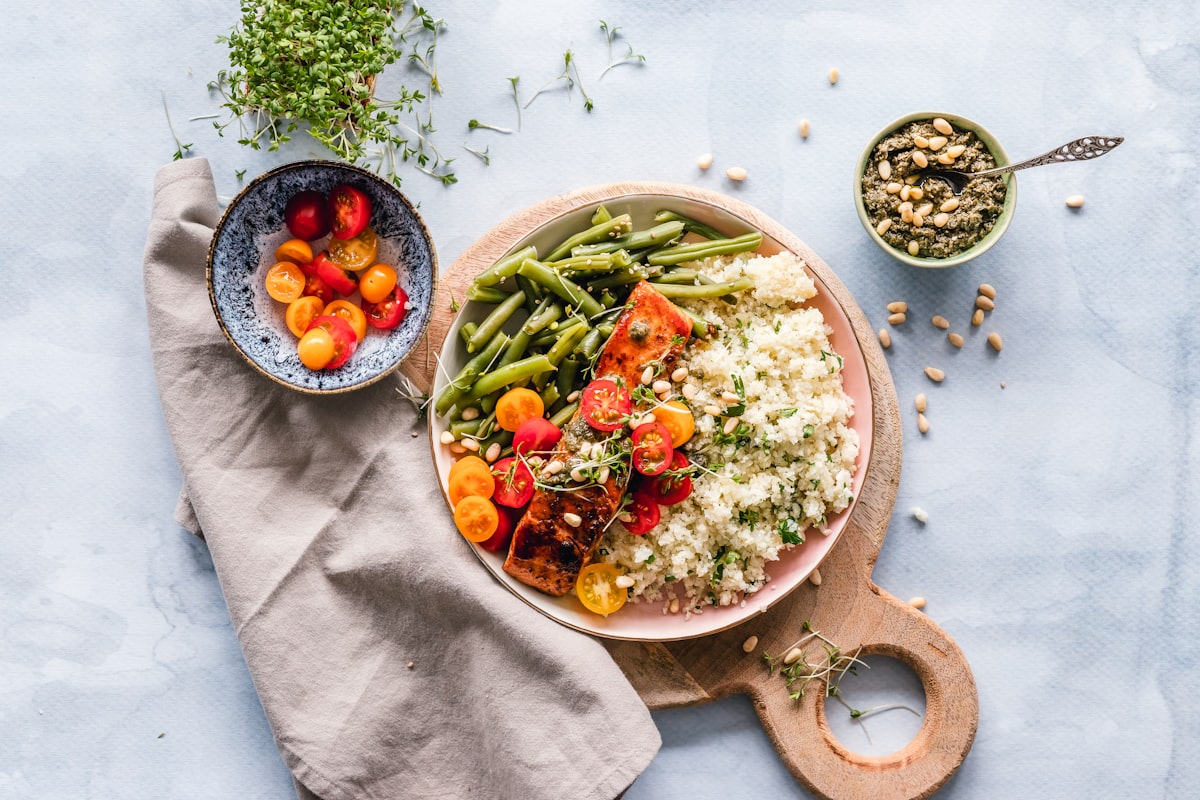
Rainbow Grain Bowls
Build balanced bowls with whole grains, roasted vegetables, quality proteins, and nourishing dressings. These colorful meals provide diverse micronutrients and keep well for mid-week lunches.
Quick Stir-Fries
Master the art of vegetable-forward stir-fries that highlight seasonal produce. These quick meals preserve nutrient density and teach you how simple technique creates restaurant-quality flavor.

Nourishing Soups
Soups are the ultimate expression of home cooking nutrition. They're easy to prepare in large batches, naturally balanced, and provide hydration alongside essential nutrients from vegetables and legumes.
Sheet Pan Dinners
One-pan meals simplify home cooking while building balanced plates. Roasting concentrates flavors and nutrients, and cleanup is minimal—making healthy eating practical for busy lifestyles.
Home Cooking vs. Processed Convenience
See how home-prepared meals compare across key dimensions of nutrition and wellness.
| Aspect | Home Cooking | Processed / Takeout |
|---|---|---|
| Ingredient Quality | You select fresh, whole ingredients; control sourcing and ripeness | Often contains additives, preservatives, and refined ingredients |
| Sodium Control | You determine salt levels; use herbs and spices for flavor | Often high in sodium for preservation and taste enhancement |
| Nutrient Density | Cooking methods preserve vitamins; whole ingredients maximize nutrition | Processing and storage reduce nutrient content; fillers add calories without nutrition |
| Portion Control | You serve sizes appropriate to your appetite and needs | Portions often oversized; packaging drives consumption patterns |
| Cost Efficiency | Budget-friendly; seasonal purchases and bulk buying reduce costs | Markup for convenience; single servings cost more per unit |
| Ingredient Transparency | Complete visibility into every component and its source | Ambiguous labels; difficult to verify actual content or origins |
| Skill Development | Build lasting culinary knowledge and nutritional literacy | No skill development; dependency on external food systems |
The comparison shows why home cooking isn't just about better nutrition—it's about autonomy, knowledge, and building a sustainable relationship with food that lasts a lifetime.
Common Questions About Home Nutrition
Find answers to questions that help you get started with home cooking for balanced nutrition.
Home-prepared meals give you complete control over ingredients, portion sizes, and cooking methods. You avoid excess sodium, added sugars, and unhealthy fats found in many processed foods. Plus, you can customize meals to your nutritional needs and dietary preferences.
Most balanced meals can be prepared in 20-30 minutes using simple cooking techniques. Meal prep strategies, like cooking proteins in bulk or chopping vegetables ahead of time, can reduce daily cooking time even further. Start with quick recipes and gradually expand your cooking skills.
Absolutely. When you cook at home, you control calorie intake, portion sizes, and ingredient quality. Studies show that people who cook at home tend to consume fewer calories and make healthier food choices than those relying on restaurant or processed foods.
You don't need much to begin. Essential items include a sharp knife, cutting board, mixing bowls, a large skillet, pot, baking sheet, and measuring cups. As you grow more confident, you can gradually add specialty tools like a food processor or instant-read thermometer.
Radiant Health Meals provides expertly-designed recipes, meal plans, nutritional guidance, and step-by-step cooking instructions. Our platform makes it easy to discover balanced meals, track your nutrition, and build lasting healthy eating habits at home.
What Our Customers Say
"Radiant Health Meals transformed how I eat. The recipes are simple, the meals taste amazing, and I've never felt better. Highly recommend!"
— Sarah M.
Nutrition Enthusiast
"I struggled with meal planning until I found this platform. Now I cook healthy meals every day without the stress. Best investment in my health!"
— James L.
Busy Professional
"The nutritional guidance and easy recipes made it simple to improve my family's eating habits. We all feel healthier now!"
— Emily R.
Parent & Health Coach
Ready to Transform Your Health?
Join thousands of people who've discovered the power of home cooking for better nutrition and wellness.