
Balanced Nutrition Through Home Cooking
Discover practical insights, recipes, and tips for creating nourishing meals in your own kitchen
The information on this site is for educational purposes only and does not constitute medical advice. Always consult a qualified healthcare professional before making health decisions.
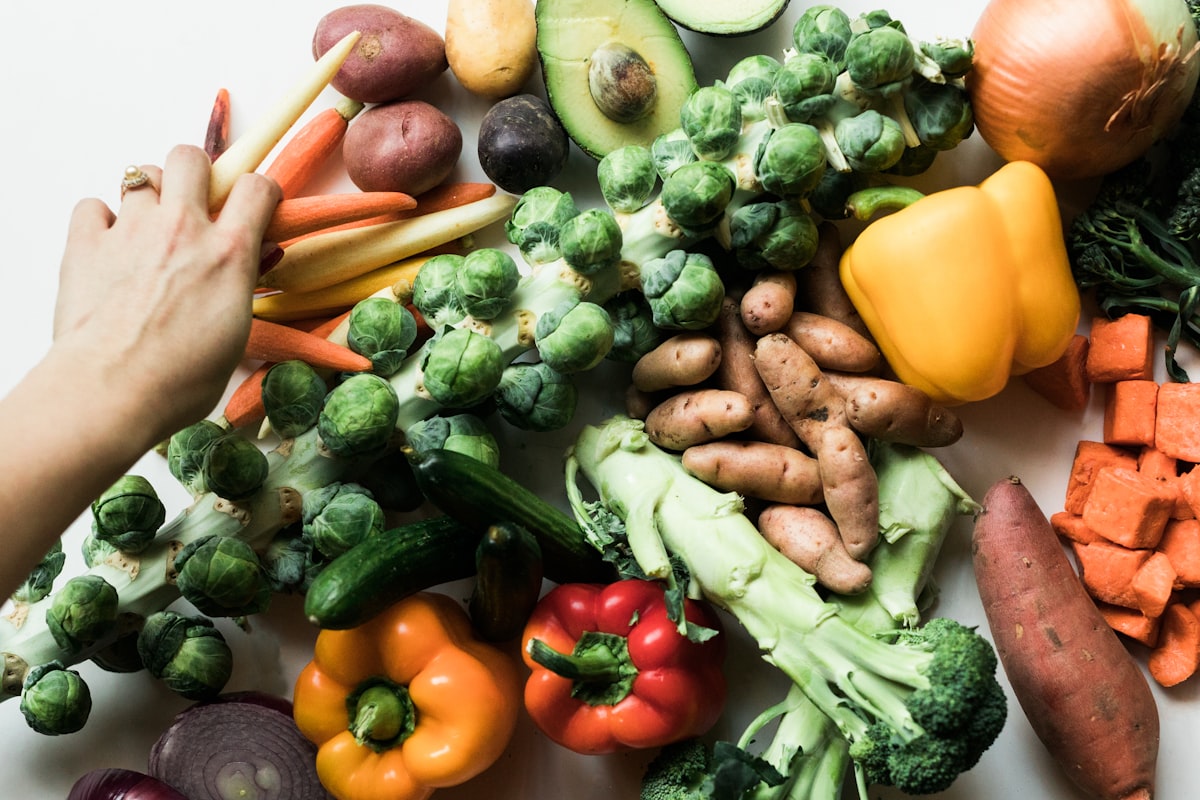
Whole Grains: The Foundation of Balanced Meals
Learn why whole grains should be a cornerstone of your home cooking routine. We explore quinoa, brown rice, farro, and other nutrient-dense options that provide sustained energy and support overall wellness throughout your day.
Read More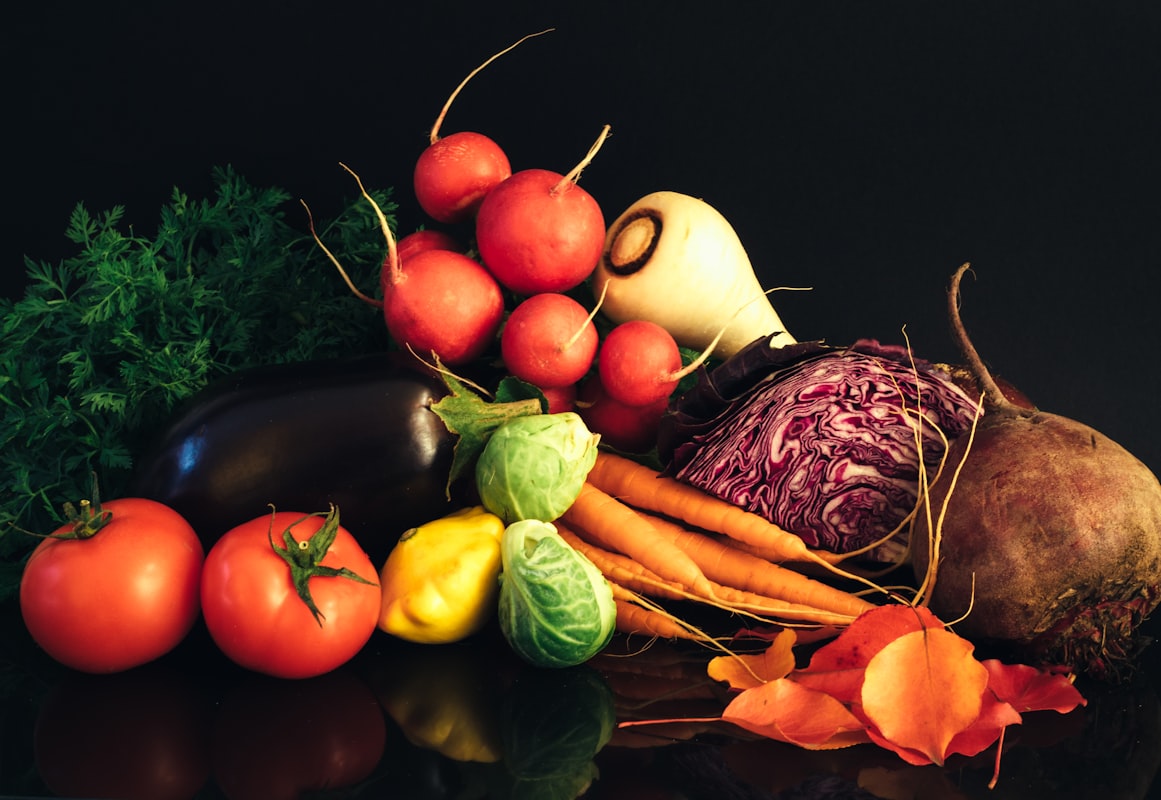
Seasonal Vegetables: Cook What Grows Locally
Discover how eating seasonal produce enhances flavor and nutrition. This guide covers spring greens, summer berries, autumn squash, and winter root vegetables, with practical storage tips and simple preparation methods for maximum benefit.
Read More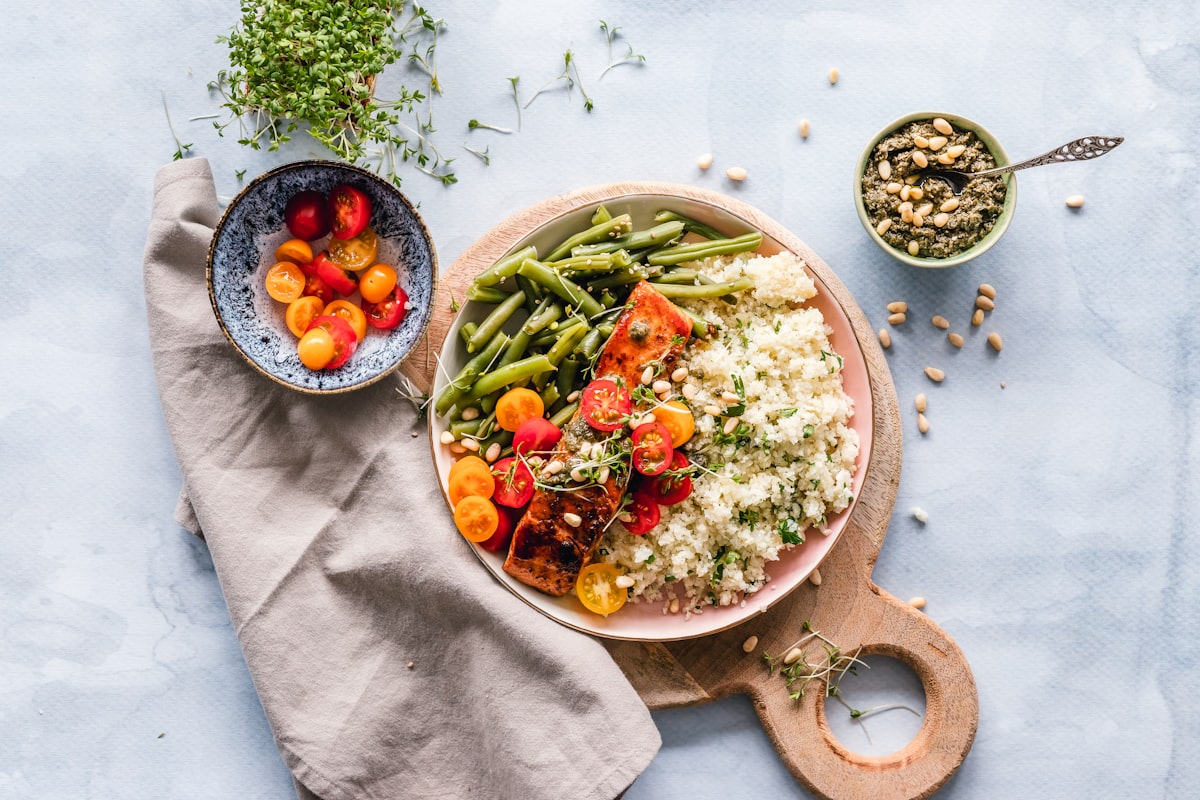
Herbs and Spices: Flavor Without Extra Salt
Elevate your cooking with aromatic herbs and spices that add depth to every dish. From basil and oregano to turmeric and cumin, learn how to build bold flavors naturally while supporting your overall eating patterns with minimal processed additions.
Read More
Building Balanced Plates: The Food Harmony Method
Master the art of composing meals that satisfy hunger and support your body's needs. This practical framework shows how to combine whole grains, lean proteins, colorful vegetables, and healthy fats into every meal for sustained nourishment.
Read More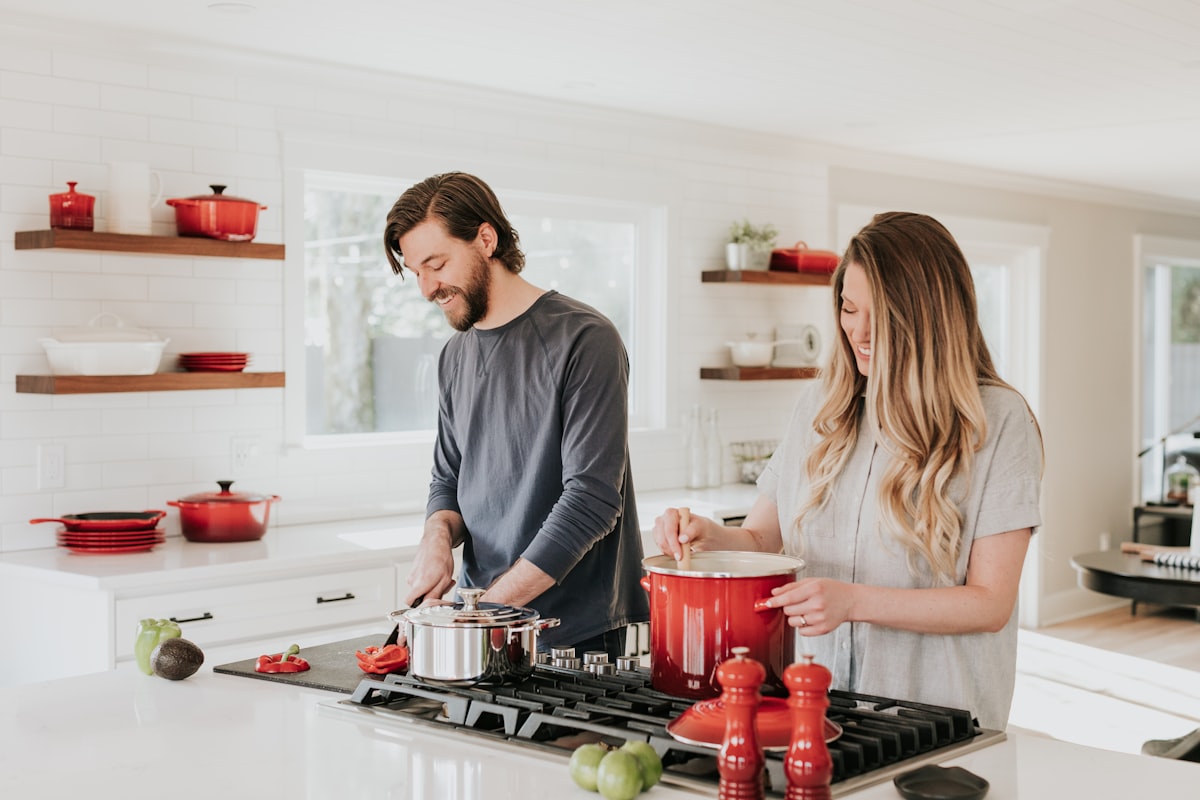
Meal Prep Strategies for Busy Weeks
Save time without compromising on nutrition. We share practical meal prep techniques including batch cooking grains, pre-chopping vegetables, and assembling components so you can create fresh, balanced meals throughout the week with minimal daily effort.
Read More
Cooking as Community: Sharing Meals with Others
Home cooking becomes more meaningful when shared. Explore how preparing nourishing meals together strengthens relationships and creates opportunities for connection. We include tips for hosting gatherings and adapting recipes for mixed dietary preferences in your community.
Read MoreExploring more content about nutrition and home cooking
Practical Cooking Tips
Quick techniques to improve your kitchen skills and meal preparation
Knife Skills Fundamentals
Master basic chopping, mincing, and slicing techniques to work efficiently and safely. Proper knife skills transform your cooking speed and consistency, allowing you to prepare fresh ingredients without stress.
Heat Control and Cooking Methods
Understand when to use high heat for searing, medium for gentle cooking, and low for slow preparation. Learning to adjust temperatures helps you retain nutrients and develop flavors that make your meals more satisfying.
Food Storage and Freshness
Learn proper storage techniques to keep ingredients fresh longer. From storing vegetables upright to organizing your pantry logically, these practices reduce waste and ensure you always have quality ingredients ready.
Flavor Building and Seasoning
Discover how to layer flavors by adding ingredients at different stages. Understanding when to add salt, acid, and aromatics transforms simple dishes into complex, satisfying meals that celebrate whole ingredients.
Ready to Transform Your Kitchen?
Explore our complete collection of recipes and detailed cooking guides designed for balanced nutrition in your home kitchen.
Stay Updated on New Content
Get notified when we publish new recipes, cooking tips, and nutrition insights for balanced home cooking
We respect your privacy. No spam, just helpful content for your kitchen.
Common Questions About Home Cooking
Begin by focusing on whole ingredients: whole grains, fresh vegetables, lean proteins, and healthy fats. Start with simple recipes that use few ingredients, build confidence with basic cooking techniques, and gradually expand your skills. Our recipes section provides step-by-step guidance for beginners.
You can start with just the basics: a sharp chef's knife, cutting board, mixing bowls, measuring cups, a medium saucepan, and a skillet. A blender and basic storage containers are helpful as you advance. Many home cooks find that investing in quality fundamentals matters more than having specialized tools.
Use the food harmony method: fill half your plate with colorful vegetables, one quarter with whole grains, and one quarter with lean protein. Add a small portion of healthy fat (olive oil, nuts, or avocado). This visual approach ensures each meal contains diverse nutrients without complex calculations.
Absolutely. Most recipes are flexible when you understand the core components. For plant-based options, swap proteins while keeping the base structure. Reduce sodium by using herbs and spices instead of salt. Swap grains based on what you have available. Our articles include variations and substitution tips for nearly every recipe.
Batch cook grains and proteins on weekends, pre-chop vegetables, and organize your pantry logically. Keep simple ingredients on hand so you can assemble meals quickly. Focus on one-pot dishes and sheet pan meals. Invest time in mise en place—preparing ingredients before cooking. Our meal prep article covers detailed strategies for busy schedules.